What Is an Allowance in a Custom Home Contract?
An allowance is a set dollar amount written into your estimate for an item whose final choice has not been made. It lets your builder price the full home before every finish is picked, so planning and permitting can move forward. If you are still comparing builders, our guide on how to compare custom home builder quotes explains why allowances deserve a close look on every estimate.
When the final selection costs less than the allowance, the difference stays in your budget. When it costs more, you pay the overage. That simple rule is why the accuracy of each allowance matters as much as the overall total of your custom home construction estimate.
Which Items Are Usually Covered by Allowances?
Allowances usually apply to finishes with a wide price range or a long list of style choices. The categories below appear on most custom home estimates, and each one should be reviewed during the planning, permitting, and estimating stage.
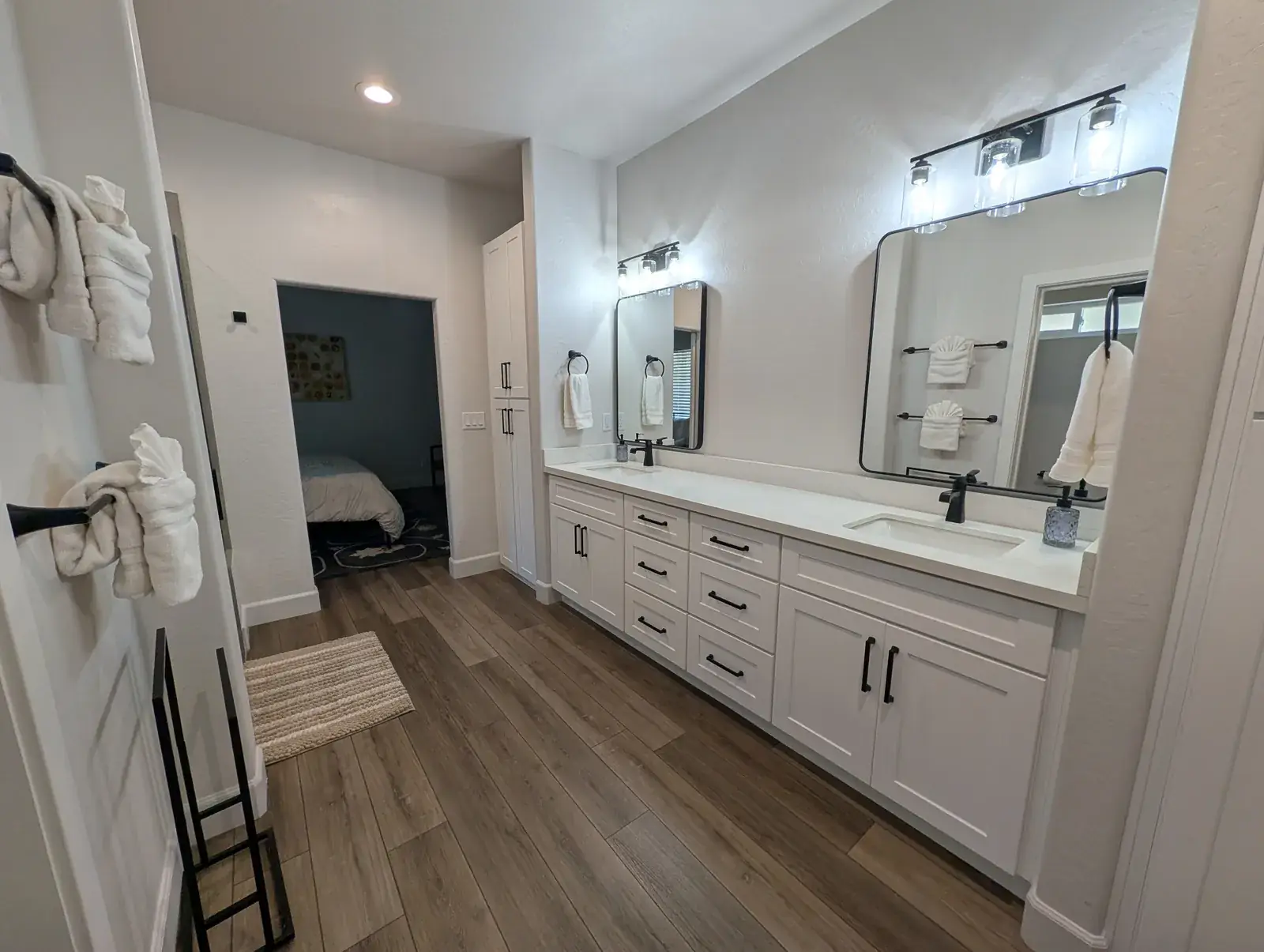
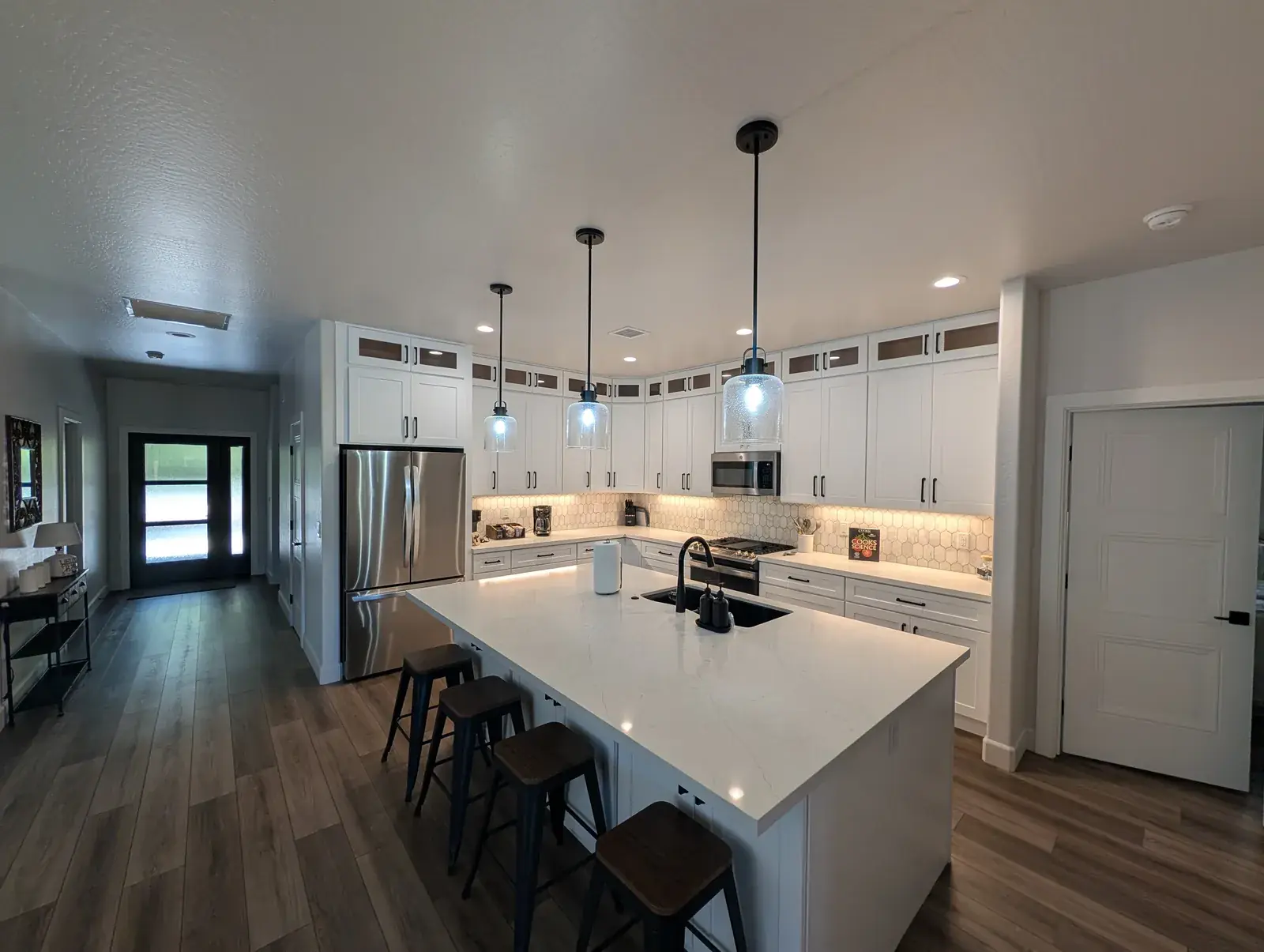
- Kitchen and bathroom cabinetry
- Countertops, including slab material and fabrication
- Flooring, such as tile, wood, luxury vinyl, or carpet
- Wall and shower tile, including backsplashes
- Plumbing fixtures, sinks, and faucets
- Light fixtures and ceiling fans
- Appliances
- Door hardware, cabinet hardware, and bath accessories
- Fireplace surrounds and mantels
How Allowances Work on a Flat-Fee Build
On a cost-plus build, the builder's markup is usually applied to allowance items too, so an upgrade from a mid-range countertop to a premium slab raises both the material cost and the builder's earnings. That pattern is one reason Lyle and Jake Carlson created a different model, as described on our About page.
Under Carlson Construction's Flat-Fee Transparency Guarantee, trades and materials are billed at the exact amount the trade or supplier charges. If you choose a higher-priced tile, you pay the higher tile cost and nothing more on top of it. If you come in under an allowance, those savings stay with you. The builder fee does not rise or fall with your finish choices.
Why Allowances Go Over Budget
Allowance overages are one of the most common reasons custom home budgets grow after planning begins. Knowing the usual causes helps you spot weak numbers before they reach your construction contract.
Allowances Set Too Low
Some estimates use allowance figures that reflect entry-level products rather than the finishes the homeowner actually wants. The quote looks attractive, but the gap shows up once selections begin. Ask how each number was set and whether it matches the style of homes on the builder's projects page.
Installation Left Out of the Number
An allowance may cover only the material, only the labor, or both. A $6,000 tile allowance that excludes installation will not cover the same scope as one that includes it. Confirm exactly what each line covers, and ask our team if any allowance in your estimate is unclear.
Late Decisions
Selections made after construction is underway can bring rush shipping, rework, or schedule delays. Choices that affect rough plumbing, electrical boxes, or framing should be settled early, which is why we recommend reviewing which design selections to finalize before breaking ground.
Supporting Changes
Upgrading one item can require changes to others. A heavier stone countertop may need different cabinet support, and a larger range may need a different hood, gas line, or electrical circuit. These related costs can turn a simple upgrade into a change order, so price them together.
How to Set Realistic Allowances in Northern Arizona
The goal is to set allowances that reflect the home you plan to build, not the lowest number that makes a quote look good. Work through the steps below with your builder during the early stages of your custom home project.
- Gather photos of finishes you like and note specific products where you can.
- Visit showrooms or suppliers and request pricing for your preferred options.
- Confirm whether each allowance includes material, installation, or both.
- Add a reasonable cushion to categories where your taste is still developing.
- Lock in selections that affect rough-ins and structure before groundbreaking.
- Review allowance totals against your overall budget before construction starts.
Clients who bring this kind of information to their first meeting usually leave with a more accurate estimate. Our guide on what to bring to your first custom home builder consultation covers the details that help most.
Finish Choices That Suit Northern Arizona Homes
Northern Arizona covers a wide range of conditions, and your finish budget should reflect them. Homes in Prescott and Prescott Valley see freeze-thaw winters, so exterior finishes, entry flooring, and covered outdoor areas should be selected with temperature swings in mind.
Higher-elevation communities like Williams face colder winters, while homes in Wickenburg contend with low-desert heat and intense sun. Exterior materials, window treatments, and outdoor living finishes that perform well in one location may need a different budget in another, which is why we plan for local conditions from the first site visit across all of our service areas.
Rural parcels in Chino Valley and Dewey-Humboldt can also bring finish decisions tied to site conditions, such as durable mudroom flooring, utility room layouts, and covered entries. Factoring these into allowances early keeps them from becoming surprises later.
Questions to Ask About Every Allowance
Before you sign a construction agreement, review each allowance line with your builder and ask the same set of questions. The answers will tell you whether the number is a realistic planning figure or a placeholder chosen to make the estimate look smaller.
- What specific product or price level was this allowance based on?
- Does the amount include installation, delivery, and any related trim or accessories?
- When does the selection for this item need to be made?
- What happens to the money if my selection comes in under the allowance?
- How will overages be documented and billed?
Clear answers to these questions keep surprises out of the selection process. On a Carlson Construction build, the answer to the last two is simple: you pay the actual at-cost amount, so savings stay with you and overages carry no added markup, as explained in our flat-fee pricing overview.
It also helps to ask how allowances connect to the overall schedule. Some selections, like windows and cabinetry, need to be ordered weeks ahead, so the allowance and the decision deadline should be discussed together. That conversation is part of every free consultation we hold with homeowners across Prescott, Prescott Valley, and the rest of Northern Arizona.
Allowances vs. Fixed Selections
An allowance is a placeholder. A fixed selection is a specific product with a confirmed price. The more fixed selections you can make during planning, the fewer allowances remain open, and the more predictable your budget becomes. Many homeowners building through our new home construction service use a mix, fixing major items early and leaving smaller decorative choices as allowances.
There is no single right balance. If your timeline is tight or you already know your style, fixed selections reduce risk. If you want more time to decide, allowances provide flexibility, provided the amounts are realistic. Either way, review the plan with your builder during the free consultation.
Keeping Your Finish Budget on Track During Construction
Once construction begins, keep a simple running log that lists each allowance, the selection you made, its actual cost, and the difference. Because Carlson Construction bills trades and materials at cost, the numbers on that log match the invoices behind your flat-fee build, which makes tracking easier.
Review the log after each major selection rather than waiting until the end. If one category runs over, you can rebalance by adjusting another before the overages pile up. This kind of steady oversight is part of the scheduling, billing, and quality control covered by our flat monthly construction management fee, outlined on our services page.
Plan Your Finish Budget With Carlson Construction
Carlson Construction is a licensed, bonded, and insured custom home builder (ROC #364923) serving Prescott, Prescott Valley, Chino Valley, Dewey-Humboldt, Wickenburg, Williams, and surrounding Northern Arizona communities. Owners Lyle and Jake Carlson personally lead every project and bring a combined 40 years of building experience to your custom home.
If you want a finish budget built on realistic numbers and at-cost billing, request your free, no-obligation quote or call (928) 800-2421. You can also visit our homepage to see how our flat-fee approach works from planning through final walkthrough.